The Role of Music in Shaping Your Cafe Ambience
@franciscodbze739
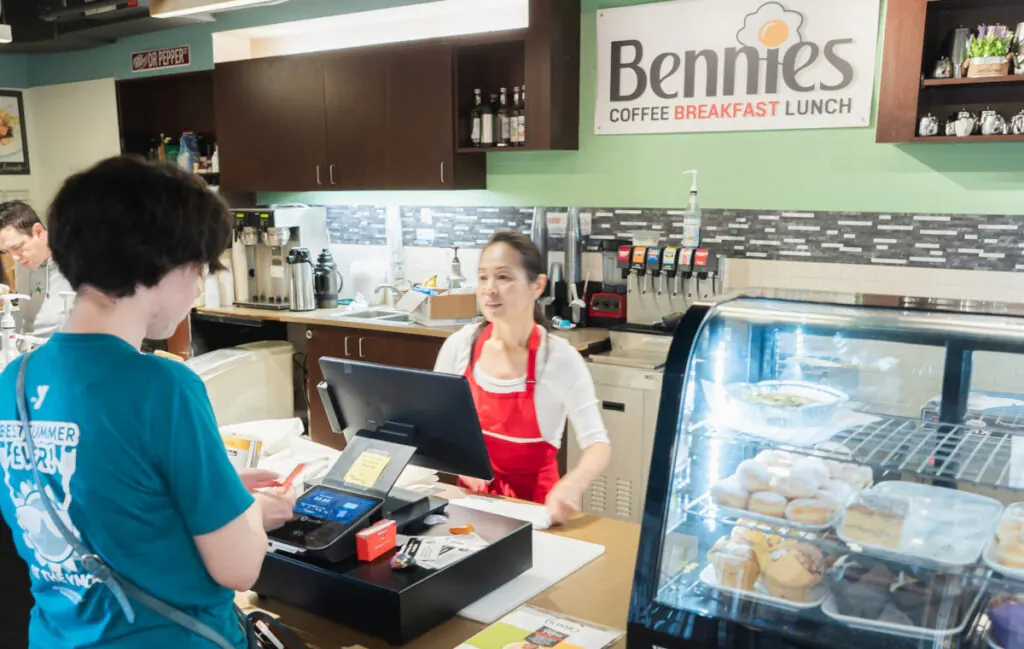
Walk into a memorable cafe and people will talk about the coffee first, the pastries second, and the music much later, if at all. Yet music often does more to shape the room than owners realize. It changes how bright a space feels without touching the lights. It can make ten occupied tables feel lively or crowded, calm or sluggish, intimate or impersonal. In a cafe, where margins are tight and repeat visits matter, those shifts are not cosmetic. They affect dwell time, ordering patterns, staff energy, and whether guests decide to come back on a rainy Tuesday when the novelty has worn off.
Most operators spend months choosing tile, chairs, paint, and cups. Then they leave the playlist to chance. A staff member opens a streaming app, picks a generic acoustic mix, and the soundtrack of the business becomes whatever the algorithm serves. That approach is common, but it is expensive in quiet ways. Music is one of the few design tools in a cafe that can be changed instantly and tested daily. It deserves the same attention as menu engineering or lighting.
The best cafe soundtracks do not call attention to themselves. They work like good hospitality. Guests simply feel that the place “has a nice vibe,” even if they cannot explain why. That effect comes from choices about tempo, volume, genre, time of day, and the relationship between the music and the kind of customer experience you want to create.
Ambience is not decoration, it is behavior
Cafe ambience is often described in aesthetic terms, warm, minimalist, neighborhood, premium, student-friendly. Those labels are useful, but they miss the operational side. Ambience shapes behavior. It influences whether people settle in with a laptop, chat over cappuccinos, grab a takeaway, or feel subtly rushed toward the door.
Music is especially powerful because people process it quickly and emotionally. They may not consciously register a tempo shift from 70 beats per minute to 110, but they feel it in the room. Slow music can make a cafe seem relaxed and spacious. Faster tracks can increase perceived energy and turnover. Neither is inherently better. The right choice depends on what kind of business you are running at a particular hour.
A small commuter cafe near a train station has different needs from an all-day neighborhood spot with brunch service and evening desserts. The first may benefit from a brisker soundtrack in the morning that supports movement and queue flow. The second might want gentler, more textured music that invites people to stay for a second drink. If both cafes use the same all-purpose playlist, one of them is almost certainly leaving money on the table.
What guests hear changes what they feel
There is a practical mistake many owners make when evaluating music. They ask, “Do I like this?” That matters less than “What does this do to the room?” Personal taste can be misleading. A song you enjoy at home may be a poor fit for a service environment. Lyrics can dominate conversation. A dramatic vocal can pull attention away from the person across the table. Heavy bass can make a small dining area feel tense. Even excellent music can be wrong for the setting.
Guests typically experience cafe music in four overlapping ways. They feel the energy level, they infer a brand identity, they judge whether the space is comfortable for conversation, and they absorb cues about how long it is acceptable to stay. None of that requires active listening. In fact, the strongest music programs in hospitality often succeed because they stay just beneath conscious notice.
I have seen this play out in simple changes. In one independent cafe, the owner loved upbeat indie rock and played it from opening to close. Staff enjoyed it for the first hour. By lunch, the room felt strangely fatigued. Customers leaned forward more during conversations. Laptop regulars started wearing headphones. After switching to a calmer morning mix and saving the more energetic material for the late morning rush, the same room felt friendlier and less abrasive, without losing character. The coffee did not change. The furniture did not change. Revenue per guest during quieter periods improved because people stayed a bit longer and often added a pastry or another drink.
Tempo, volume, and density matter more than genre alone
People often talk about genre because it is easy shorthand. Jazz sounds sophisticated. Lo-fi sounds modern. Soul sounds warm. Acoustic folk sounds approachable. There is some truth in those associations, but genre is only part of the picture. Tempo, volume, and sonic density matter just as much, and often more.
Tempo influences pace. Very generally, slower music encourages lingering, while faster music can support quicker movement. That does not mean owners should blast fast tracks to increase table turnover. Customers are not machines. If the pace feels manipulative, they notice. The more useful approach is subtle. During a heavy morning queue, a slightly more energetic selection can help the room feel efficient rather than chaotic. Mid-afternoon, when people may be reading or meeting a friend, a slower pace can make the cafe feel restorative.
Volume is where many cafes get it wrong. Music that sounds pleasant during setup can become oppressive once grinders, steaming milk, orders, and conversation fill the room. Hard surfaces amplify this problem. Tile, glass, and concrete reflect sound. A playlist that feels tasteful in an empty minimalist cafe may become harsh at 10:30 a.m. When every table is occupied. Staff then raise the music to cover machine noise, customers speak louder to compete, and the entire space drifts upward into fatigue. This is one reason some beautiful cafes somehow feel less comfortable than they look.
Sonic density matters too. A sparse piano piece and a dense electronic track can sit at the same volume but produce very different experiences. Busy arrangements occupy more mental space. In a cafe meant for conversation or focused work, too much sonic information can feel intrusive. In a lively social cafe, that same density can create welcome momentum.
Your soundtrack should follow the day, not fight it
A cafe is not one environment. It is several different environments that occupy the same square footage over the course of a day. Early morning has a purposefulness to it. Mid-morning often invites catch-ups and remote work. Lunch can be compressed and practical. Mid-afternoon can sag if the room feels flat. Weekends behave differently again, especially if brunch is involved.
The smartest music strategy acknowledges those shifts. A single static playlist rarely serves every hour well. Think of music as part of dayparting, just like menu emphasis or staffing levels. The soundtrack should support what customers are trying to do at that time.
During opening, softer and cleaner tracks can make the first arrivals feel that the cafe is awake but not frantic. As foot traffic builds, a touch more rhythm can help the room feel alive. After the rush, music with space and warmth can sustain comfort without draining energy. If evenings are part of the model, the cafe may need a noticeably different palette after 5 p.m., perhaps richer, moodier, or more intimate, especially if dessert, wine, or slower social visits are part of the offer.
This is not about creating a theatrical experience. It is about reading the room the way experienced baristas do. Good operators already adjust lighting, staff positions, and service tempo to match demand. Music deserves the same treatment.
Music can define your brand faster than signage
Brand identity in a cafe lives in small repeated signals. Cup design, uniforms, menu language, pastry presentation, and social media all contribute. Music is one of the fastest of those signals because it reaches people before they order. Within seconds, guests start forming assumptions about what kind of place they have entered.
A cafe that plays obscure left-field electronic tracks at a restrained volume tells a different story from one that leans into classic soul or instrumental jazz. Neither is inherently superior, but each attracts and reassures a different audience. The key is coherence. If your visual brand says polished and contemporary, but the music says nostalgic and cozy, customers feel the mismatch even if they cannot articulate it. The space starts to feel less intentional.
This matters even more for independent cafes competing with chains. A chain can lean on consistency and convenience. An independent cafe often wins on atmosphere and distinctiveness. Music helps create that signature. Over time, regulars come to associate your sound with your place. That connection is valuable because it is emotional rather than transactional.
There is also a subtle confidence that comes from a well-curated soundtrack. Guests may not know why a cafe feels more “put together,” but they sense that someone has made careful decisions. In hospitality, that feeling carries over. People trust the coffee more. They expect better service. They become more forgiving of small delays because the place feels composed.
The wrong music creates friction you can measure
Not every music problem is dramatic. Often it shows up as low-level friction. Staff become irritable faster. Guests ask for the volume to be turned down. People take calls outside rather than stay inside. A couple who came for a quiet talk orders quickly and leaves. The room never quite settles.
Some of these effects are measurable. If average spend drops during certain periods, or if the cafe struggles to convert afternoon visitors into longer stays, music may be part of the issue. Customer behavior is shaped by many variables, of course, but sound is one of the easiest to test because it can be changed without renovation or major expense.
Here are a few warning signs that your soundtrack is working against you:
- Customers lean in and repeat themselves often, even when the cafe is not full.
- Staff frequently skip tracks or argue over control of the playlist.
- The music style changes sharply from song to song, making the room feel inconsistent.
- Guests compliment the decor but describe the atmosphere as “off” or “a bit much.”
- Certain dayparts feel flat or tense despite solid foot traffic.
These are not abstract branding concerns. They affect guest comfort and staff performance. In a service business, anything that raises tension by even a few percent all day long becomes expensive.
Staff experience matters more than many owners expect
Cafe owners sometimes choose music almost entirely for customers, forgetting that staff hear it for hours at a time. A playlist that feels charming for a 20-minute visit can become maddening over an eight-hour shift. Songs with repetitive hooks, high emotional intensity, or overly familiar radio rotation tend to wear people down. So does music that never changes pace.
The goal is not to make the cafe soundtrack about staff preference, but staff sustainability should be part of the decision. Employees who are overstimulated or irritated by the environment have less patience and less warmth to give. In a cafe, where the human interaction is part of the product, that matters.
A useful test is whether the music supports focus. Baristas are doing precise work under time pressure, often while taking orders and managing multiple moving parts. If the soundtrack is too loud or too chaotic, error rates can rise. Names are misheard. Orders need repeating. Communication between front and back of house becomes less clean.
At the same time, complete sonic blandness can hurt morale too. Staff need some energy. The most sustainable approach usually sits in the middle, structured variety, controlled volume, and enough personality that the place feels alive.
Silence is not neutral
Some cafe owners, frustrated by bad playlists, consider avoiding music altogether. That can work in rare cases, but silence is not neutral. In most cafes, no music means every machine sound, chair scrape, cash register beep, and half-finished customer conversation lands with more force. Rooms feel barer. Awkward pauses become more noticeable. Without a soundtrack, a small space can feel exposed.
There are exceptions. A tiny specialty cafe with a strong ritual around coffee service might deliberately use little or no music during slower periods. A library-adjacent concept may want a near-silent environment. But even in those cases, the decision should be conscious. Silence creates its own atmosphere, and not always a comfortable one.
Music also helps smooth over operational imperfections. A brief wait feels shorter in a well-scored room. A patchy conversation at the next table becomes less distracting. A queue feels more orderly. None of this excuses poor service, but it does shape how service is perceived.
Building a playlist with intent
Curating music for a cafe does not require a music degree, but it does require discipline. The easiest mistake is letting variety become randomness. Customers do not need to love every track, but they do need to feel the room has a point of view.
A practical starting point is to define three or four adjectives that describe your cafe at its best. Not generic words like “nice” or “cool,” but specific ones such as grounded, bright, urban, intimate, playful, restrained, or polished. Then ask whether the soundtrack reinforces those qualities. If a song is good on its own but pulls the room in the wrong direction, it probably does not belong.
It helps to think in terms of continuity. Tracks should have a shared feel even when they cross genres. A cafe can move from soul to bossa nova to downtempo electronic if the transitions preserve mood and energy. What breaks ambience is not variety itself, but abrupt contrast. A delicate instrumental piece followed by a loud, lyric-heavy anthem can jolt a room more than most owners expect.
If you are creating or revising a music program, focus on these five decisions first:
- Define the purpose of each daypart, not just the sound you personally enjoy.
- Set a volume standard for busy and quiet periods, then actually monitor it on the floor.
- Favor consistency of mood over broad genre sampling.
- Remove tracks with intrusive intros, extreme volume jumps, or overly dominant vocals.
- Review customer and staff reactions for two weeks before assuming the setup works.
That last point matters because playlists often feel different after repetition. The first pass may seem fresh. By the tenth day, flaws become obvious.
Practical examples from different cafe models
Consider a compact espresso bar inside a business district. Customers come in waves, many staying less than ten minutes. Here, music can support speed and clarity. Mid-tempo tracks with crisp production and moderate energy often work well. Lyrics should not be so dominant that they interfere with ordering. The volume can be slightly higher during rushes because the room is transactional, but it still needs enough headroom for customers to hear names and questions.
Now compare that with a residential neighborhood cafe where parents meet after school drop-off and freelancers settle in until lunch. That room usually benefits from more warmth and less urgency. Think softer Cafe edges, moderate tempos, and a broad but coherent palette. The soundtrack should make the space feel lived-in rather than optimized. A touch of nostalgia can work if it aligns with the brand, but avoid leaning too heavily on obvious crowd-pleasers. Familiar songs tend to pull people into their own memories rather than keeping them present in the room.
A brunch-focused cafe has another set of needs. Weekends bring higher noise, larger groups, and a more social mood. Music can carry more brightness and rhythm, but the challenge is avoiding the slide into restaurant-loud. Brunch crowds generate plenty of energy on their own. The soundtrack should frame that energy, not compete with it.
Then there is the premium specialty cafe, where the coffee program is central to the brand story. Some operators in this category lean too austere, choosing music so neutral that the space feels emotionally cold. Precision does not require sterility. A premium cafe can sound elegant without sounding distant. Texture matters. So does humanity.
Licensing, technology, and the unglamorous details
A polished music strategy is not only about taste. There are legal and technical basics that matter. Public performance licensing requirements differ by country and region, so cafe owners should verify what applies in their market and avoid assuming that a personal streaming account covers commercial use. It often does not.
Speaker placement also matters more than expected. One overly loud speaker near a popular table can ruin the experience for that section while the rest of the room sounds fine. Small cafes often benefit from more even coverage at lower volume rather than one or two strong points of output. Hard rooms may need acoustic treatment more than louder sound. Felt panels, upholstered seating, curtains, and even bookcases can soften harsh reflections without changing the visual identity of the space too much.
Technology should simplify control, not create chaos. If every staff member can take over the music from a phone, consistency disappears. Someone needs ownership. That might be the owner, a manager, or a trusted team member with a clear brief. Shared curation can work, but only within boundaries.
The best music programs are adjusted, not set once
Cafe ambience is never static because customer mix, weather, season, and neighborhood rhythms all shift. Music should be reviewed the same way menus and workflows are reviewed. What sounded ideal in winter may feel heavy in spring. A playlist that works in a half-full room may become muddy during holiday crowds.
This is where operator judgment matters. Data can help, but so can simple observation. Are people relaxing into their seats or finishing quickly? Are solo guests staying for a second coffee? Do staff seem settled or strained? Is conversation flowing naturally, or does the room feel effortful? Good hospitality often comes down to noticing small signs before they become problems.
The strongest cafe soundtracks are not flashy. They are hospitable, intentional, and responsive. They know when to energize and when to step back. They support the identity of the place without becoming the main event. When that balance is right, guests feel something hard to manufacture by decor alone. The cafe feels coherent. Time moves at the right speed. The room holds people well.
For a business built on repeat visits and emotional familiarity, that is not a minor advantage. It is part of the craft.
Bennies Cafe
17230 Jackson Creek Pkwy Ste 100, Monument, CO 80132
+1 719-445-0660
FAQ About Cafe
What is considered a café?
A café is generally an informal place to enjoy refreshments and a meal. Bennies Cafe in Monument serves breakfast and lunch in a counter-service setting, with options including eggs Benedict, sandwiches and crepes. Guests can eat in or arrange pickup.
What is the difference between a coffee shop and a café?
The terms often overlap. A coffee shop usually emphasizes coffee and other drinks, while a café may offer a broader food menu. Check the individual establishment's menu rather than relying on its name. Bennies Cafe offers coffee drinks alongside breakfast and lunch dishes.
What is the difference between café and coffee?
In everyday English, a café is a place where people buy food and drinks, while coffee is the beverage. The word café comes from the French word for coffee. Bennies Cafe serves options such as brewed coffee, espresso and lattes as part of its drinks menu.