Why Students Appreciate a Good Cafe in Monument, CO
@franciscodbze739
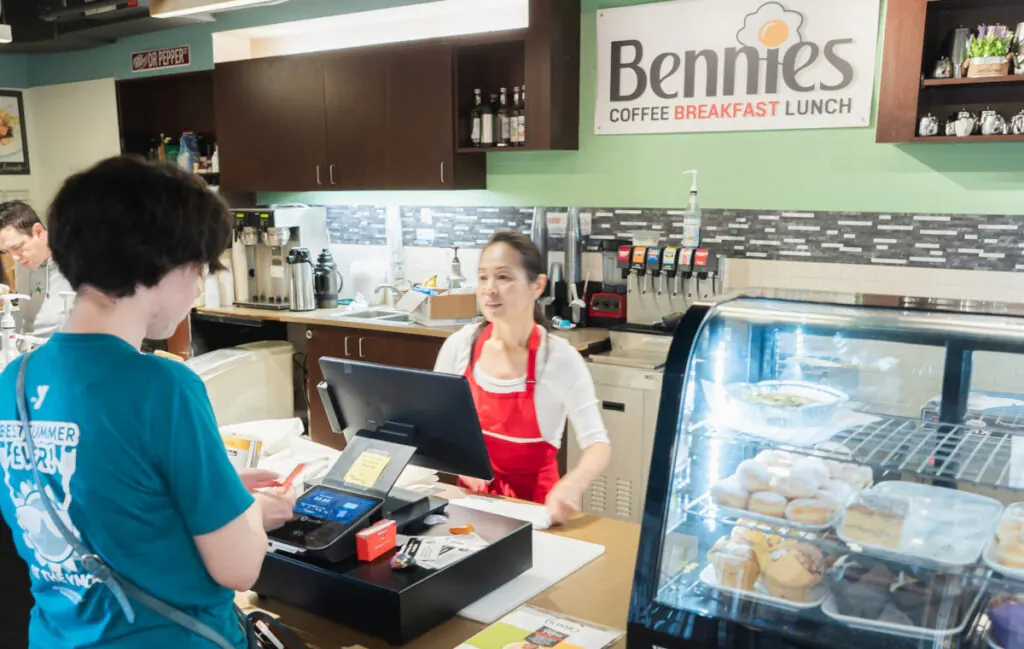

Students do not ask much from a cafe, at least not at first. A table that feels stable. Coffee that tastes fresh rather than burnt. Wi-Fi that holds up through a two-hour study block. Outlets that are not hidden behind a pastry case or already claimed by someone editing video on two laptops. Yet once you spend time around students, whether they are in high school, college, trade programs, or online degree tracks, it becomes clear that a good cafe offers far more than caffeine and a chair.
In a place like Monument, Colorado, that matters. Monument sits in an interesting middle ground. It has a small-town rhythm, but it also serves people balancing serious academic and professional demands. Students commute, work part-time, take dual-enrollment classes, log into remote lectures, and study for exams while living at home or sharing busy family space. A dependable cafe becomes useful in a very practical way. It gives students something many homes, dorms, and public spaces cannot always provide at the same time: focus, comfort, and a little social energy without too much noise.
That is why students tend to value a strong local spot more than outsiders might expect. A good Cafe Monument, CO location is not just a stop between errands. For many students, it becomes part of the weekly routine, almost an extension of the classroom.
The appeal starts with environment, not coffee
Coffee matters, but it usually is not the deciding factor for students. The space is. I have watched students choose one cafe over another for reasons that have nothing to do with espresso quality. They return because the lighting is easier on the eyes during long reading sessions. They stay because the chairs do not leave them shifting around every ten minutes. They recommend a place because the music sits in the background instead of taking over the room.
A good Cafe Monument, CO student-friendly cafe has an atmosphere that supports concentration without feeling sterile. Libraries can be excellent, of course, but they come with their own social rules. Some are silent to the point of tension. Others fill up Cafe Monument, CO quickly, especially during midterms and finals. Home sounds appealing until someone starts a vacuum, the dog barks through a Zoom class, or younger siblings claim the kitchen table. A cafe gives students a change of setting, and that change often helps them reset mentally.
There is a reason many students have a favorite table. Familiarity reduces friction. When they know where they like to sit, how the room sounds around 3 p.m., and which drink gets them through a reading-heavy afternoon, they spend less energy adapting and more energy working.
Monument’s student life is broader than people assume
When people think about student communities, they often picture large university towns first. Monument does not fit that mold, but students are still everywhere. Some attend schools in the area. Others commute south toward Colorado Springs. Some are in community college programs, nursing tracks, or technical certifications. Many younger students use cafes after school for tutoring, group projects, or AP exam prep. Then there are the online students, a group that has grown steadily over the past several years, who often need public workspaces with steady internet and just enough background activity to stay motivated.
That mix changes what students need from a cafe. A 16-year-old meeting a study partner for algebra homework does not use the space the same way a 24-year-old graduate student polishing a research paper does. One may need hot chocolate, a shared table, and a calm hour before soccer practice. The other may need a reliable seat for four hours, black coffee, and a corner where they can rehearse a presentation quietly.
The best cafe in Monument, CO for students is the one that can welcome both without making either feel out of place. That is harder than it sounds. Some places lean too hard into hustle and turnover. Others feel built only for leisurely brunch traffic. A truly useful cafe recognizes that weekday afternoons and early evenings often belong to students as much as to anyone else.
A good cafe solves the focus problem
Most students struggle less with knowing what to do than with getting themselves to do it. That is the real challenge. They have the assignment, the due date, and the textbook. What they lack is a setting that nudges them into motion.
Cafes are surprisingly effective for this because they create a soft form of accountability. At home, procrastination has easy hiding places. Laundry calls. The bed is a few feet away. The refrigerator keeps opening. In a cafe, people tend to settle into the purpose they brought with them. If a student opens a laptop in a room full of others reading, typing, or working quietly, there is social momentum in that. It is easier to start.
I have heard students describe it in simple terms: “I get more done there.” Usually, they are right. The environment trims away enough distractions to make work feel manageable. Not effortless, just possible.
This effect becomes especially important in Monument, where daily life often involves driving, scheduling around family commitments, and making the most of small windows of free time. If a student has a 90-minute gap between classes or before a shift at work, a nearby cafe can turn that gap into productive time instead of dead time.
Food and drink matter because stamina matters
Students often study in blocks much longer than they planned. A quick stop can turn into three hours once they hit a productive rhythm. That is where a cafe earns trust, not just with beverages but with practical menu options.
A place that serves more than sugar-heavy snacks does students a favor. Pastries are fine, and most students will not complain about a warm muffin or cookie. But if the only choices are overly sweet and the drinks are all syrup and whipped cream, the afternoon tends to crash. Better cafes offer balance. A solid breakfast sandwich, oatmeal, a simple bagel with protein, or a light lunch option can make the difference between sharp focus and 4 p.m. Brain fog.
Price matters too. Students notice value immediately. They do not need the cheapest menu in town, but they do need options that feel realistic for a weekly habit. A cafe that understands this often keeps a few basics accessible. Drip coffee, tea, a plain latte, something filling but not expensive. Students appreciate places where they can stay a while without feeling they must keep spending to justify the seat.
That point gets overlooked by business owners sometimes. Students are not high-ticket customers on any single visit. But they are loyal when treated well. They come back, bring classmates, and turn a cafe into part of their rhythm. Over time, that consistency matters.
Noise is not the enemy, unpredictability is
There is a common idea that students need silence to do serious work. Sometimes they do. But many actually prefer a cafe because it offers controlled noise, not total quiet. The low hum of conversation, cups being set down, the hiss of the espresso machine, the door opening every so often, all of that can help some people focus. It masks sudden distractions and gives the room a steady pace.
The problem is not sound itself. It is erratic sound. A blaring playlist, a group shouting over each other, a television in the corner, or staff banging through cleanup too early can break concentration fast. The best student-friendly cafes manage their soundscape without making it feel forced. They keep music at a moderate level. They shape seating so louder social groups do not dominate every corner. They understand that an inviting room is not the same thing as a chaotic one.
For students, especially those juggling stress, deadlines, and sometimes anxiety around school performance, that predictability is calming. A good cafe feels alive, but it does not feel unstable.
There is a social side that should not be dismissed
Students often speak about studying as if it were a solitary endurance test, but that is only part of the picture. Many need places where they can work around other people without the pressure to actively socialize. A cafe fills that role well. It provides what I think of as “light community.” You are not alone, but you are not on display either.
That subtle social benefit matters more than adults sometimes realize. Students can feel isolated, especially in online programs or during heavy exam periods. Even high-performing students who seem independent often benefit from simply being in a room with others. It reminds them that work is happening everywhere, that effort is normal, and that they are part of a broader routine rather than stuck in private stress.
Study groups also fit naturally in cafes when the space allows for it. Two or three people can review notes, compare assignments, or prepare for a test with just enough structure and just enough ease. A good cafe supports that without letting group energy spill over into disruption for everyone else. That balance is a sign of thoughtful operations, not luck.
Students remember the places that make them feel welcome
Hospitality lands differently when you are a student. Many are still learning how to navigate public spaces confidently. They are figuring out budgets, etiquette, and how long they can reasonably stay somewhere. If staff make them feel judged for opening a laptop or nursing one drink during a long work session, they notice. If the opposite happens, if the welcome feels genuine and the expectations are clear, they remember that too.
This is where local cafes often beat chains. Independent places tend to have more personality and more room for human judgment. Staff may notice regulars, learn names, and understand patterns. They know the high school crowd shows up at a certain hour. They can tell the difference between students quietly working and a group treating the cafe like a cafeteria.
Students value that kind of environment because it gives them a sense of belonging. They are not just passing through. They become part of the place.
A strong Cafe Monument, CO business can build real goodwill this way. Not through marketing language, but through ordinary habits. Keeping the room clean. Posting Wi-Fi information clearly. Making sure there are enough charging opportunities. Training staff to be attentive without hovering. These details sound small until you are the one trying to finish a paper with 12 percent battery and a deadline at midnight.
What students actually look for in a cafe
When students compare notes on cafes, they usually come back to the same practical traits:
- reliable Wi-Fi
- enough seating, especially at off-peak study times
- accessible outlets
- drinks and food that fit a student budget
- an atmosphere that stays calm for more than thirty minutes at a time
None of these qualities are glamorous, but together they create trust. A cafe does not need to be trendy to win student loyalty. It needs to work.
Timing shapes the whole experience
A cafe can be excellent in the morning and nearly unusable by late afternoon. Students pick up on these time-based shifts quickly. Before lunch, the room may be bright, orderly, and ideal for solo work. By 1 p.m., the line grows, tables fill, and concentration gets harder. After school lets out, there may be a wave of students, parents, and after-activity traffic. Evenings can settle back down or become unpredictable depending on the business model.
Students who rely on cafes learn to strategize. Some arrive early to secure the best seats. Others intentionally use slower mid-morning hours for heavy reading and save quick administrative work for busier times. In that sense, appreciating a good cafe also means appreciating consistency. A place that remains reasonably functional across the day becomes valuable fast.
This is especially true for students with jobs. If someone has a class, a commute, and a closing shift, they may only have one narrow window to study. They cannot gamble on whether a space will support that. When they find a cafe that does, they build it into their week.
Not every student wants the same thing
It helps to be honest about trade-offs. The perfect student cafe does not exist because student needs differ. Some want near silence. Some work better with ambient buzz. Some care deeply about coffee quality. Others just want affordable tea and a place to spread out flashcards. A design student editing images may need strong internet and decent screen visibility, while a literature student mostly needs a comfortable chair and enough room for a notebook and a paperback.
There are also differences by age and stage. Younger students may prioritize safety, easy parking, and menu simplicity. College students may focus on hours, portability, and whether they can stay long enough to justify the trip. Graduate students and adult learners often care about ergonomics and consistency more than anything else.
A cafe does not need to satisfy every preference equally. It simply needs to be clear about what kind of experience it offers. Students appreciate places that know themselves. If a cafe is best for quick meetings and short work sessions, that is fine. If it is strong for long, quiet afternoons, even better. Clarity saves frustration.
The best cafes support routines, and routines support academic success
One overlooked benefit of a good cafe is that it helps students build habits. Academic success rarely comes from occasional heroic effort. More often, it comes from repeatable routines. The student who studies for 90 focused minutes every Tuesday and Thursday at the same cafe is usually in a better position than the one who waits for perfect conditions at home that never arrive.
Ritual helps. Walking in, ordering the same drink, sitting in the same corner, opening the laptop, and starting with the same type of task, all of that reduces decision fatigue. The brain gets used to the sequence. Work begins faster.
This may sound minor, but for students managing heavy workloads, part-time jobs, sports, or family obligations, reducing friction is no small thing. A reliable cafe becomes part of the system that keeps everything from sliding off track.
I have seen students use cafes for specific rhythms that make sense once you notice them. Some do review work there because it is easier to sustain attention. Some reserve the space for writing, since drafting often benefits from being away from home. Others use the cafe only for planning, calendars, syllabi, and catching up on online portals. The common thread is not the task itself. It is the predictability of place.
Why local matters in a town like Monument
In Monument, local businesses shape the feel of daily life more than in larger cities where options blur together. A good cafe becomes a small civic anchor. Students may not phrase it that way, but they respond to it. They like spaces that feel connected to the town rather than generic. Familiar staff, recognizable regulars, local bulletin boards, and a sense of place all contribute to the experience.
That local character also makes it easier for different generations to share the same space. Students work at one table while retirees chat over coffee at another. Remote workers plug in near the window. Parents stop by after school pickup. The room reflects actual community life, which is part of what makes it comfortable.
For students, especially younger ones, that can be grounding. They are not hidden away in an age-specific bubble. They are participating in a real public space. That matters for confidence, maturity, and simple everyday belonging.
A good cafe is never just a cafe to a student
Ask a student why they appreciate a particular cafe, and the answer might sound casual. Good coffee. Nice people. Chill vibe. Better Wi-Fi. Enough room. Stay with the conversation a little longer, though, and a deeper truth usually appears. That cafe helped them finish a tough semester. It gave them somewhere to go when the house was too loud. It hosted a study group before finals. It became the place where they finally got traction on a scholarship essay, a lab report, or a transfer application.
That is the real value. A cafe can hold ordinary moments that turn out to be important later. Students remember where they prepared for exams, where they met mentors, where they learned how to work independently, and where they felt capable.
In Monument, that kind of space carries extra weight because students often piece together education around complex schedules and shared community life. They do not always need a grand academic setting. Often, they simply need a dependable room, a decent drink, and a few hours of calm.
When a Cafe Monument, CO business provides that well, students notice. More than that, they return. And over time, appreciation turns into loyalty, because what looks like a simple coffee stop from the outside can feel like a lifeline from the chair by the window.
Bennies Cafe
17230 Jackson Creek Pkwy Ste 100, Monument, CO 80132
+1 719-445-0660
FAQ About Cafe Monument, CO
What is considered a café?
A café is generally an informal place to enjoy refreshments and a meal. Bennies Cafe in Monument serves breakfast and lunch in a counter-service setting, with options including eggs Benedict, sandwiches and crepes. Guests can eat in or arrange pickup.
What is the difference between a coffee shop and a café?
The terms often overlap. A coffee shop usually emphasizes coffee and other drinks, while a café may offer a broader food menu. Check the individual establishment's menu rather than relying on its name. Bennies Cafe offers coffee drinks alongside breakfast and lunch dishes.
What is the difference between café and coffee?
In everyday English, a café is a place where people buy food and drinks, while coffee is the beverage. The word café comes from the French word for coffee. Bennies Cafe serves options such as brewed coffee, espresso and lattes as part of its drinks menu.